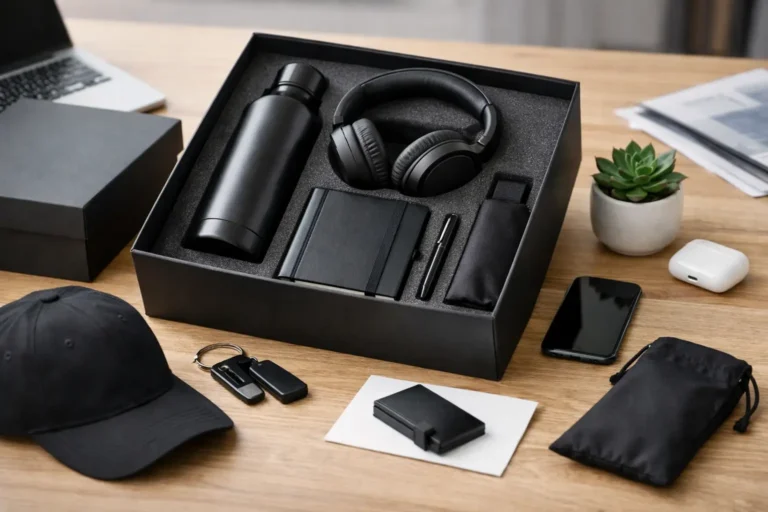
A new customer, member, patient, employee, or program participant forms an opinion before they use your service. The materials they receive – whether a welcome letter, benefit card, product guide, or activation package – signal how organized, reliable, and prepared your organization is. Knowing how to build branded onboarding kits is therefore not simply a design exercise. It is an operational decision that affects adoption, service costs, brand consistency, and customer confidence.
For organizations operating across Canada and the United States, onboarding programs often involve variable data, multiple package versions, tight timelines, and sensitive personal information. A kit that looks polished but arrives late, contains outdated materials, or is assembled incorrectly can create avoidable pressure on your customer service team. The strongest programs bring brand strategy, print production, personalization, inventory control, and fulfilment together from the start.
Start with the onboarding outcome
Before choosing kit components, define the action the recipient must take after opening the package. A membership program may need recipients to activate a card and understand their benefits. An insurance provider may need a policyholder to review coverage materials and retain an ID card. A business onboarding new clients may need to establish confidence, explain next steps, and direct them to a digital portal.
This goal determines what belongs in the kit and what does not. Too much material can dilute the message and increase postage, pick-and-pack time, and inventory carrying costs. Too little information can lead to confusion and follow-up calls. Build every component around a clear purpose: inform, activate, verify, retain, or encourage a next step.
At this stage, involve the teams that will feel the effects of the program. Marketing protects the brand experience, operations defines workable processes, procurement assesses cost and supplier risk, and compliance teams review data handling and required disclosures. Early alignment prevents expensive revisions once materials have entered production.
How to build branded onboarding kits around a clear system
A branded onboarding kit should work as a coordinated system, not a collection of promotional pieces. Establish a kit architecture that identifies the base package, optional inserts, variable elements, approved versions, and rules for each audience segment. This creates consistency while allowing the program to adapt to different customer types, regions, languages, or product selections.
Define the essential kit components
The contents depend on your program, but most business onboarding kits include a primary welcome communication, an explanation of next steps, branded credentials or cards where applicable, and a clear path to digital support. For physical programs, packaging also matters. The envelope, carrier, folder, or carton should protect the contents, present the brand professionally, and meet postal requirements without adding unnecessary cost.
Consider the recipient’s opening sequence. The first item they see should quickly answer three questions: what is this, why am I receiving it, and what should I do next? A personalized welcome letter often performs this role well. Supporting pieces can then provide detail without forcing the recipient to search for the main instruction.
For regulated industries, required documentation must be integrated carefully. Healthcare, insurance, and financial services organizations may need privacy statements, disclosures, coverage summaries, or legally prescribed language. These pieces should be current, clearly versioned, and placed in the workflow so they cannot be missed during assembly.
Build a practical brand framework
Brand consistency goes beyond matching logo colours. Set production standards for paper stocks, card finishes, typography, image use, packaging, and personalization fields. A brand framework should also address digital touchpoints, especially if the kit directs recipients to a portal, QR code, email sequence, or downloadable document.
Not every element needs premium treatment. A high-value client welcome package may justify custom packaging, specialty finishing, or branded merchandise. A recurring membership or benefit-card program may be better served by durable, efficient mailers that keep unit costs controlled at volume. The right approach depends on recipient value, expected frequency, delivery method, and program lifespan.
The key is intentionality. Invest in the components that strengthen recognition or encourage action, then standardize the rest. This makes reorders faster and keeps the experience consistent as volumes grow.
Design for personalization and data compliance
Personalization can make an onboarding kit more useful and more credible. A recipient’s name, account number, membership details, assigned representative, coverage information, or location-specific instructions can turn a generic package into an actionable communication. It also increases production complexity, which is why variable data planning must be built into the program rather than added at the final stage.
Create a documented data process that defines approved file formats, field requirements, validation rules, proofing responsibilities, transfer methods, retention periods, and exception handling. If a mailing address is incomplete or a card record fails validation, your team needs a clear rule for what happens next. Manual workarounds may appear manageable at low volume but can introduce errors quickly in a recurring program.
Data compliance deserves the same attention as print quality. Customer records, health information, account details, and insurance data require controlled access, traceable handling, and secure production workflows. Your fulfilment partner should be able to support these requirements while maintaining accurate reporting on what was produced, mailed, returned, or held for review.
For bilingual Canadian programs, plan for English and French requirements early. Translation length can affect layout, available space on cards or inserts, and package composition. Treat language versions as controlled production versions, not last-minute edits.
Make fulfilment part of the design process
Many onboarding kits fail operationally because fulfilment is considered after creative approval. A package may look excellent in a mock-up but be slow to assemble, difficult to verify, too large for the selected mail stream, or prone to damage in transit. Production and fulfilment input during design can prevent these problems before they affect a launch date.
Map the end-to-end workflow: inventory receipt, storage, print production, personalization, quality control, kitting, address processing, mailing or courier handoff, return mail processing, and reporting. Each step should have an owner and a measurable standard. For example, establish acceptable turnaround times, kit accuracy targets, inventory reorder points, and protocols for urgent replacements.
A single-source provider can reduce the handoffs that often cause delays between printers, card manufacturers, warehouses, lettershops, and mailing vendors. MixtoMart supports this type of integrated execution by bringing production, custom kitting, fulfilment, mail processing, and digital distribution into one coordinated program. The benefit is not merely fewer suppliers. It is clearer accountability when timelines, data, and customer-facing materials must all align.
Test the kit before a full rollout
A pilot run is one of the most cost-effective parts of an onboarding program. Test a representative sample with real data where permitted, actual packaging, and the intended delivery method. Review the kit from the recipient’s perspective, then assess it operationally.
Check whether every item is present, variable fields are correct, instructions are understandable, barcodes scan properly, and the package arrives in acceptable condition. Measure postage or shipping cost against estimates. If recipients must take an online action, test that journey as well. A physical kit and digital destination should reinforce each other, not create competing instructions.
Use pilot feedback to make focused changes. Common improvements include simplifying the first message, reducing insert count, changing the order of components, strengthening packaging, or revising data validation rules. These adjustments are far easier to make before thousands of kits are in circulation.
Manage the program after launch
Branded onboarding kits need ongoing governance, particularly when products, regulations, brand standards, or customer segments change. Maintain a controlled library of approved artwork, content versions, component specifications, and inventory records. Schedule regular reviews so expired disclosures, outdated contact information, and discontinued materials do not remain in stock.
Reporting should show more than the number of kits shipped. Track production volumes, turnaround times, mailing outcomes, return rates, inventory usage, reprint activity, and customer service issues tied to onboarding. These indicators reveal whether the kit is doing its job and where costs or friction are emerging.
The best onboarding kits make a complex first interaction feel straightforward. When the message is clear, the components are accurate, and fulfilment is dependable, your organization can welcome people at scale without adding operational strain.